
Episode 30
"I'm My Own Superannuation Fund" — Bianca's Story
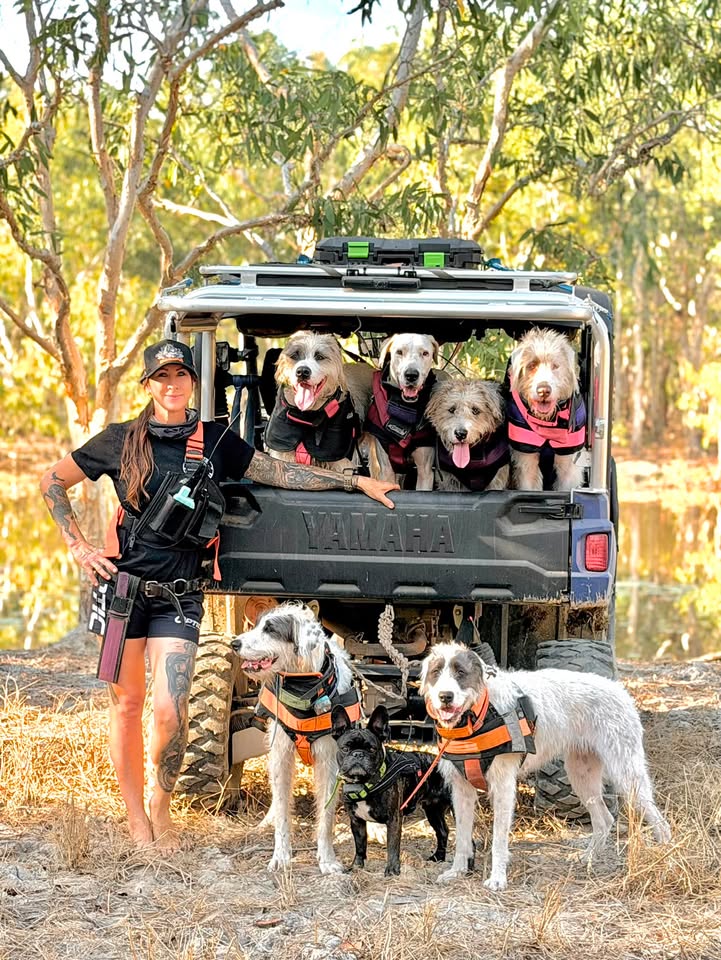
Some guests come on the podcast and you steer the conversation. Others, you just hang on and enjoy the ride. Bianca Pollard is firmly in the second camp — a solo hunter, working dog legend, army paramedic, and canine medic who has packed more life into her fifty-two-and-a-half years than most of us could fit into three.
Bianca grew up in the bush. When she wanted a horse as a kid, her dad's answer set the tone for everything that came after: you'll break it in yourself, you'll care for it yourself, and you'll do everything for it. So at eight years old, she did — an Appaloosa quarter horse she named Makita, a nod to the American Indian heritage on her father's side.
The routine was relentless. Up before school to feed, water and clean the yards. Blanket on. Bridle on. Walk five kilometres to the bus. Come home and do it all again. She spent months wondering why she wasn't riding yet — until the day she finally got in the saddle and realised the bond was already there.
"It's consistency. The training's got to come constantly, every day, the same way you deliver it. If you give so much love and loyalty, you'll see it back. You can see the soul through the horse's eyes." — Bianca, on the lessons from her dad
There were setbacks that would have finished most kids — a foot caught in a stirrup, a hoof print in the head — and a dad whose response was simply get up, get back on. She grew up tough. And every lesson from those horse yards carried straight into the way she raises, trains and cares for her dogs today.
Bianca grew up in an Aboriginal community, and her schooling looked nothing like a city classroom. Recess might mean Uncle Terry bringing in a kangaroo for a cook-up in a pit dug by the kids. Learning meant sitting in the sand while Aunty Elsie drew tracks with her fingers — snake, goanna, wallaby — and asked, over and over: what's that?
What she absorbed then, she still uses every single hunt. Reading whether a print is from today, yesterday or last week. Knowing that cattle drink in the morning, graze through the day, and come back in at night. Spotting the boar's rub tree by the dirty mark on one side — and the tusk marks scored up the trunk, a calling card that tells every other pig in the area exactly how big he is.
"It's like me with a crayon going: I was here, this is how tall I am, and this is how fat my crayon is." — Bianca, on boars marking their rub trees
She shared a beautifully simple exercise any of us can try: find some mud, press your hand into it, and come back in an hour. Look at what's changed — the crust forming, what's fallen into the print. That's the difference between a fresh track and an old one, and it's how you learn to tell how far behind an animal you really are.
And then there's the tip we won't forget in a hurry: rubber vine. When it flowers, pigs eat the blooms like lollies — but only in the morning, before the flowers close. Find a flowering patch, come back at first light, and wait. Bianca's caught pigs with their faces stained purple from them.
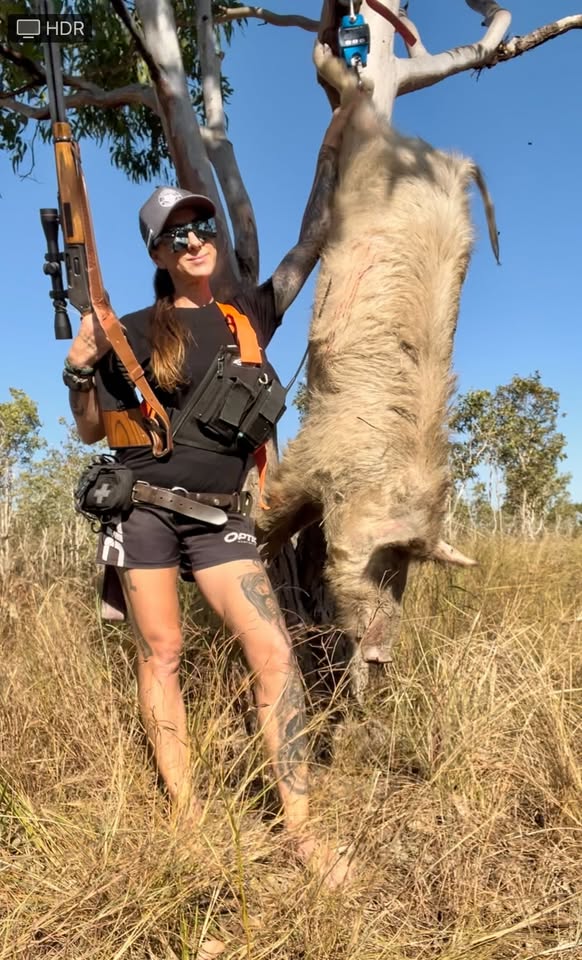
Bianca beats to her own drum — her words. Her grandfather told her something she's carried her whole life: your independence is what makes you succeed. If you invest in yourself, you're guaranteed a return.
Solo hunting is where she thrives. No noise, no chatter — just her, the dogs, and everything the bush is telling her. The smells, the sounds, the signs. She describes it as being completely present, building the whole picture piece by piece.
But solo doesn't mean alone. When she finally caught the 167-kilo boar she'd tracked for two and a half years — the one with the distinctive dew claw kicked off to the side, the one plenty of people thought she was dreaming about — she was in tears on the phone to everyone who'd followed the journey with her.
"When I got that pig, there were so many people along that journey with me. So I never really felt alone. You never feel like a full solo hunter — there's so many women out there egging you on." — Bianca
She's honest about the hard parts too. A serious heart condition has been a massive wake-up call — including a terrifying moment when she blacked out alone in her buggy, and came to with Sila, her matriarch and soul dog, barking in her ear and pawing at her. These days a good neighbour tracks her buggy whenever she's out, and she's put systems in place so her biggest fear — being stuck out there with nobody knowing — can't come true. It's a powerful reminder that independence and backup aren't opposites. The smartest solo hunters build their safety net first.
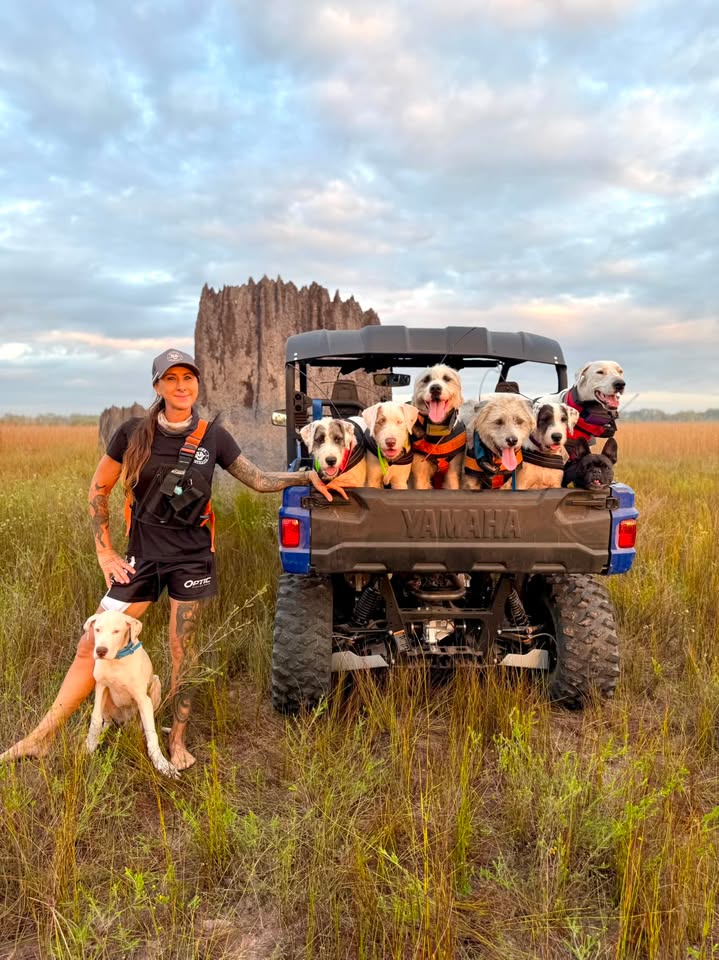
Seven dogs, every one of them trained by Bianca herself, every one with a job. Sila, the matriarch — finder, lugger, tracker, with a nose that borders on unbelievable. Mong, all strength. Ishka, the bailer, whose bark leads Bianca in. And Ugi the French bulldog — a thousand-dollar purchase made for a very deliberate reason: Frenchies were originally bred as bull baiters, built to dart in low and grab a nose. Not a lapdog. Never was.
Then there are the three younger ones, eighteen months old and still learning the craft. Tulka, the big lovable bulldozer who thinks she should already have a trophy. Sunia, the chip off the old block who shadows her mother's every move. And Naja — born deaf, rejected by her mum at birth, and now fluent in twenty-two hand signs Bianca taught her herself.
"A dog's brain doesn't fully mature until it's eighteen months old. You can teach them everything you know, but in a high-stress situation a dog will only work off instinct — and at that age, they don't know the instinct yet." — Bianca, on why she doesn't rush young dogs onto pigs
That patience is the through-line in everything she does. The same consistency her dad demanded in the horse yards. The same trust-building, repeated every day, until the bond is unbreakable — like the moment Sila held off lugging a big boar in the mangroves until she heard Bianca crashing through the scrub yelling Mama's coming, and only then took the ear, knowing her backup had arrived.
Here's the part of Bianca's story that's quietly changing lives across the country. By trade, she spent twenty-five years in medicine, including operating theatres — and today she's a paramedic in the Australian Army, where part of her role is canine paramedic for military working dogs and police dogs.
All that knowledge now flows into Hounds Welfare Wednesday — her free education platform covering canine first aid, emergency care and welfare, topic by topic. Bandaging tails. Recognising shock. Lactic acidosis after a big run. Skin conditions. When it's a "keep them calm and cool" situation, and when it's a drop-everything, six-hour-drive-to-the-vet emergency.
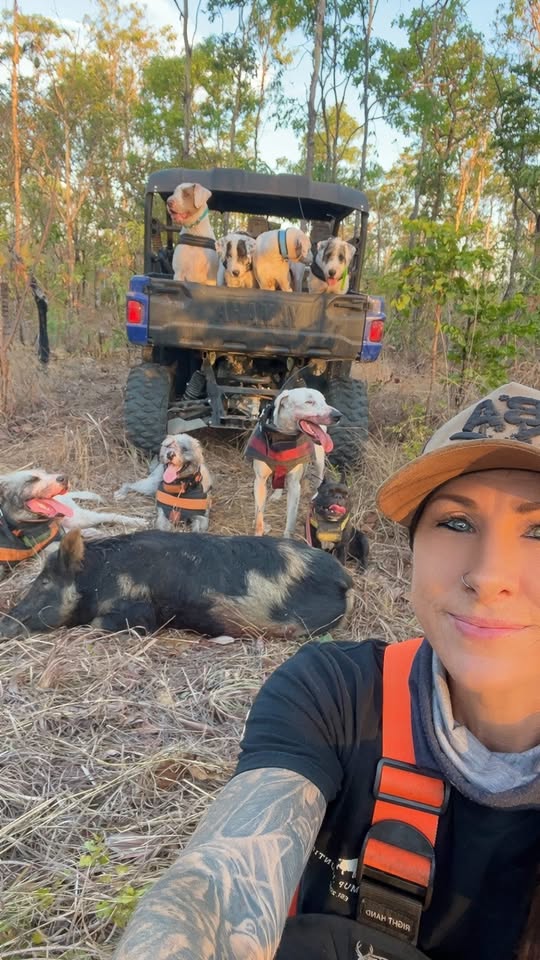
People message her from the most remote corners of Australia, often hours from the nearest vet, and she talks them through it — voice messages back and forth, no charge, no subscription, no paywall.
"People want you to pay $500 to do a CPR course for your dog. I'm sorry — that shit should be free. My information's there because I love everybody's dogs, and I want owners to feel confident in the decisions they're making." — Bianca
One gem from the episode that every dog owner should hear: imported pig's ears are coated in wax to meet import rules — and that wax can wreak havoc on a dog's gut and skin. If you're buying pig's ears, make sure they're Australian-sourced and properly dried, not the bagged supermarket imports.
Bianca doesn't film her hunts. She's never cared about likes — her personal account is private, and she reckons if you're standing there holding a phone while your dogs are on a pig, your priorities are wrong. Her job is to get there fast and end it quick.
Her take on feral animal control is one of the clearest we've heard on the show. Yes, she takes pigs — quickly and humanely, because that animal has a soul too. But she's also watched what happens afterwards: on blocks where she's spent long stretches eradicating pigs, she's seen the brolgas come back. The palm cockatoos breeding again. The bandicoots thriving, because their water isn't being wallowed into a bacterial soup that stops birds' eggs from hardening and wrecks the whole system.
"If you think I'm just killing a pig — I'm killing it quick and humanely, and I'm saving so much more wildlife in the process." — Bianca, on feral pig management
And when she takes a buffalo, it's never for a photo. It's for meat — for her, for the dogs, backstraps and jerky, nothing wasted. If she hasn't got her knives and bags with her, she leaves it. Simple as that.
Near the end of the episode, Bianca dropped the line that's going to stay with us. She's single by choice, at peace with where she's at, kids grown with homes of their own — and she describes this chapter of her life in a way we reckon every woman needs to hear.
"I've invested in myself and I'm enjoying the return. I feel like I'm my own superannuation fund — and I'm cashing in on my super. I say yes to myself on a constant basis. Yes, you can buy that new gun. Yes, you can pack up and go this weekend. Yes, you can have more dogs. Tick." — Bianca
Her message to women — whether the kids have just left home or are still little enough to strap into the buggy — is the same one she lives: don't wait, don't shrink, and don't ever let anyone convince you it'd be too hard. She's watched a huge shift over the past decade, with more and more women out hunting with their partners and on their own, and she's heard the other side of it too: the number of blokes who tell her I wish my missus would come.
Asked what she wants people to think of when they think of her, her answer was immediate: kind and compassionate — and tough and resilient. She didn't get where she is by giving up. She got there by finding a solution, and when there wasn't one, figuring it out, stuffing it up, and asking what she did wrong.
We think she's nailed it.
Find Bianca & Hounds Welfare Wednesday
Free canine first aid, emergency care and welfare education for hunting dog owners — no subscriptions, no paywalls. Bianca's personal account is private, but Hounds Welfare Wednesday is open to everyone, and she's only a message away — whether it's about your dogs or getting started hunting. Just don't ask her about your cat.
Hounds Welfare WednesdaySupport the People Who Support Her
Bianca asked us to shout out the businesses and mates who genuinely back women in hunting: Optic Hunting (Simon, Nat and Dan — who've supported her through thick and thin, and could use the community's support after their fire), Boaring Australia, Lydia and her working dogs, and Australian-owned Enduro Pet Food. Go to your locals, and back the Aussie businesses that back hunters.
Bianca — thank you for saying yes to yourself, and yes to this podcast. For the wisdom, the laughs, the tracking masterclass, and for showing every woman listening what it looks like to build a life entirely on your own terms. The Women Who Hunt family is better for having you in it. 🐗
Key takeaways
- Invest in yourself. Say yes to the things that make your life bigger — you're your own superannuation fund.
- Track like Country taught: read the ground, read the rub trees, and know the difference between a print made today and one from last week.
- Independence and backup aren't opposites. The smartest solo hunters build their safety net first — and share what they know for free.
Keep the journey going.
Step into the community and find your next weekend in the bush.
Related stories
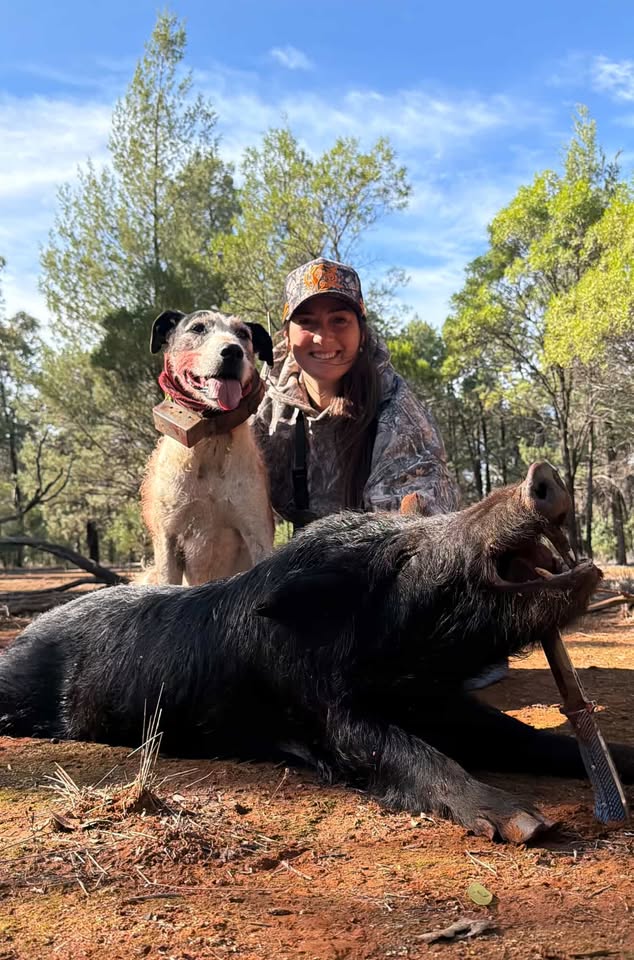
Episode 29
Just Send It — Liv from This Is Livin'
Hunter, adventurer, content creator. Liv from This Is Livin' on losing her sister Paris, finding her crew, ten years with Tikka, Cape York, and choosing to just send it.
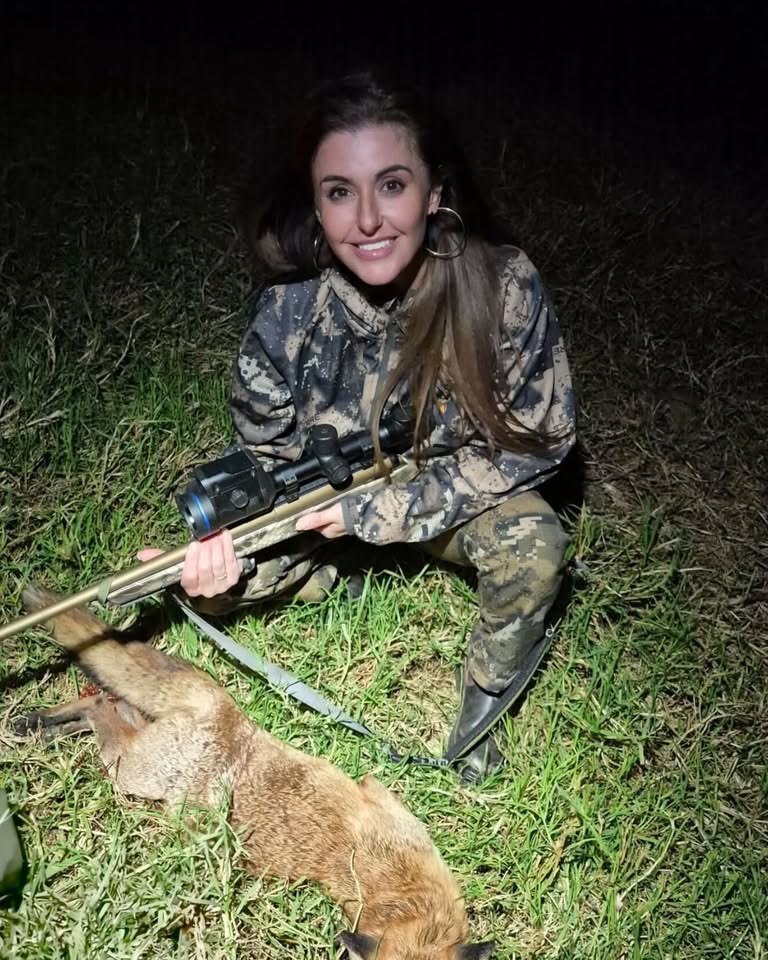
Episode 28
Melissa Volkanovski — From Tinder Date to Tallow
From meeting her partner to building a life around food, family, hunting and self-sufficiency, Melissa Volkanovski shares a grounded and honest look at what this lifestyle really means.
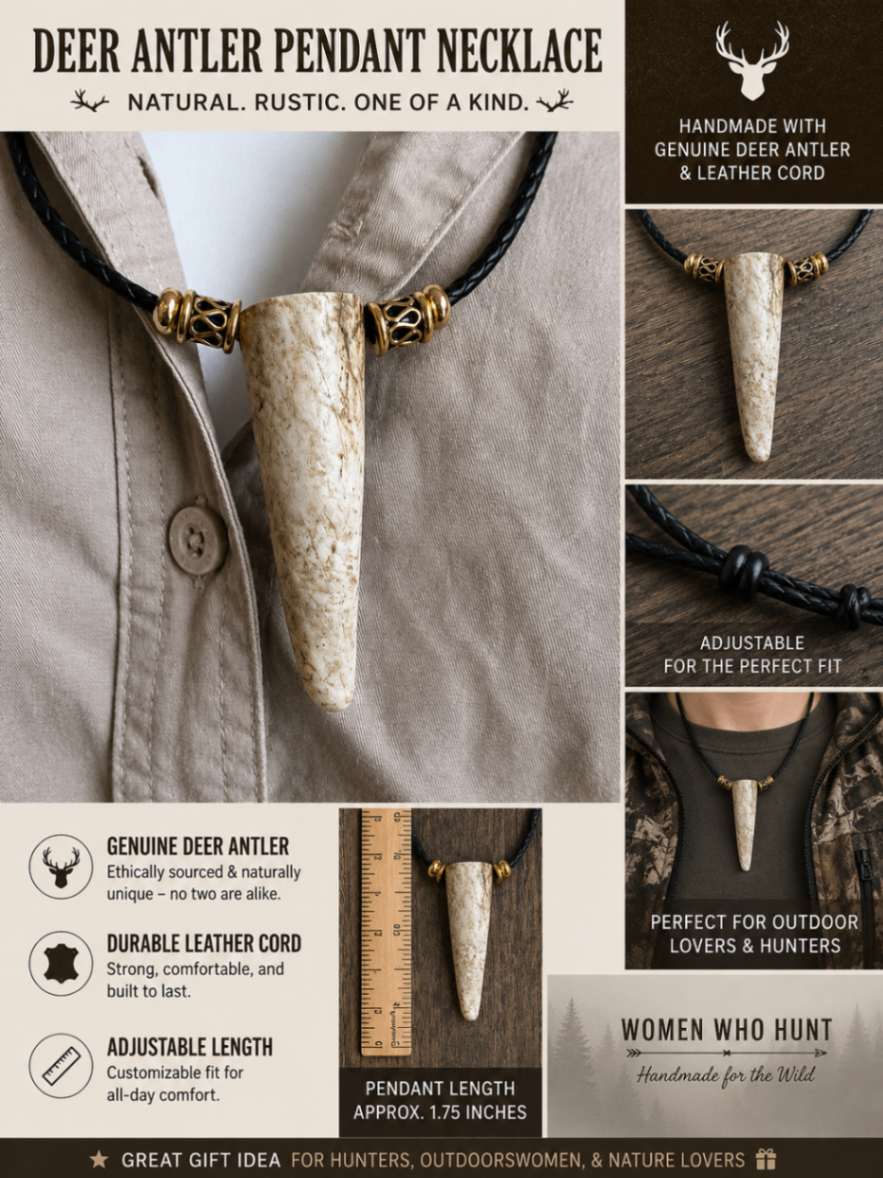
Shop Drop
Handmade Deer Antler Necklaces — Now in the Women Who Hunt Shop
A new drop of handmade deer antler necklaces — rustic genuine antler pendants on leather cord, plus a stainless steel deer head pendant — now live in the Women Who Hunt shop.